Mastering the Cut
The Essential Guide to Tree Cutting
The Importance of Strategic Cutting
Strategic tree
cutting is the cornerstone of a safe and thriving landscape. Beyond simple
clearing, precise removal of limbs and deadwood is a critical intervention that
manages structural weight, promotes sunlight penetration, and prevents
hazardous falls—making it an indispensable discipline in professional
arboriculture.
Strategic Timing
When to Cut
Dormant Season Precision
Late winter remains the optimal window for major
structural cutting. With the canopy clear, it is easier to identify the tree’s
architecture and minimize stress on its biological systems.
Hazard Mitigation
Dead, fractured, or storm-damaged limbs should be
addressed immediately to ensure the safety of the surrounding property and
prevent the spread of decay.
Step-by-Step Mastery
How to Cut Like a Pro
01 Comprehensive Risk Assessment
Comprehensive Risk Assessment
02 The Relief Undercut
For larger branches, perform a shallow undercut roughly 12 inches from the trunk. This essential step prevents the weight of the limb from tearing the bark during the fall.
03 The Primary Weight Drop
Position your tool slightly further out from the undercut and cut through from the top. This removes the bulk of the limb safely without damaging the main trunk.
04 The Final Collar Cut
Remove the remaining stub by cutting precisely just outside the "branch collar." This ensures the tree’s natural healing tissue remains intact for rapid recovery.
05 Site Sanitation
Properly process and remove all cut wood to eliminate potential habitats for wood-boring pests or fungal pathogens.
Professional Tips for Longevity
The Clean Cut Principle
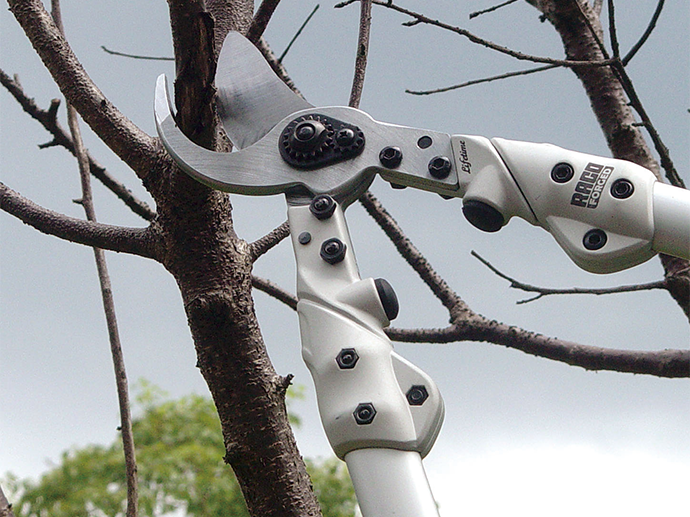
A smooth, clean surface is vital for a tree's recovery. RACO’s precision-engineered edges ensure a surgical finish, preventing the "ragged" cuts that invite moisture and disease.
Preserve the Bark Ridge
Avoid flush cuts against the trunk. Respecting the branch bark ridge allows the tree to seal its own wounds through natural compartmentalization.